CRISPR Technology: Promises and Ethical Perils Unveiled

CRISPR technology is revolutionizing the field of gene editing, offering unprecedented tools to modify DNA with precision and efficiency. As scientists harness this powerful technique, the promise of curing genetic disorders like sickle cell anemia comes closer to reality. However, with great power comes great responsibility, leading to significant ethical considerations and debates surrounding medical ethics and health equity. The implications of genetic modification extend beyond mere cures, posing questions about the rights of parents to alter their children’s traits and the fairness of access to these groundbreaking treatments. As the dialogue surrounding CRISPR unfolds, it becomes vital to explore how we navigate the complex intersection of innovation, responsibility, and societal disparities.

Often referred to as a groundbreaking method for altering genetic material, CRISPR technology represents a new frontier in the realm of bioscience and biological engineering. As researchers delve deeper into its applications for conditions like sickle cell disease, the potential for transformative medical interventions becomes a focal point. Yet, as the conversation expands, it brings to light various dimensions of medical ethics concerning genetic alterations. The unfolding landscape of genetic enhancement raises essential questions about equity in healthcare and the implications of relying on such technologies for human modification. This dialogue seeks to balance the promise of such innovation with the inherent moral responsibilities they invoke.

Understanding CRISPR Technology and Its Implications

CRISPR technology, short for Clustered Regularly Interspaced Short Palindromic Repeats, has revolutionized the field of gene editing, offering unprecedented precision and efficiency in modifying genetic material. This powerful tool allows scientists to target specific genes within an organism’s DNA, making it possible to treat or potentially eliminate genetic disorders such as sickle cell anemia. However, with such capabilities come profound responsibilities and ethical dilemmas that researchers, healthcare providers, and society as a whole must navigate carefully.

The ability to edit genes raises essential questions about the limits and intent behind such modifications. While the prospect of curing hereditary diseases is enticing, it prompts a debate about what constitutes a ‘desirable’ change. As Neal Baer highlighted in his talk, these discussions extend beyond individual cases of disease intervention to broader societal implications, such as genetic enhancement. This aspect of CRISPR technology poses a challenge to prevailing medical ethics and calls for a comprehensive framework to govern its application.

Ethical Concerns in Gene Editing with CRISPR

One of the most alarming ethical concerns surrounding gene editing using CRISPR is the potential for ‘designer babies’ — offspring whose genetic traits are altered to meet parental preferences. This scenario raises questions about access and equity, as only certain demographics may afford such interventions. As highlighted by Rebecca Weintraub Brendel in the discussion, innovations in medical technology tend to exacerbate existing disparities rather than mend them, leading to increased health inequities.

Additionally, the ethical debate includes considerations of consent, particularly regarding germline editing, which permanently alters the genetic makeup of future generations. As Baer pointed out, decisions made by parents today could have far-reaching consequences for their children, who cannot consent to such modifications. This dilemma underscores the importance of establishing ethical guidelines that not only consider individual rights but also the welfare of society at large.

Health Equity and Access to Gene Editing Treatments

Health equity is another critical aspect of the conversation on CRISPR and gene editing technologies. While the cure for sickle cell anemia via gene editing presents an opportunity for many, the high cost associated with these treatments poses a significant barrier for low-income populations. The estimated price tag of $2.2 million per treatment raises valid concerns about who can afford to benefit from these advancements in medical science and who will be left behind.

Moreover, achieving health equity in gene therapy requires a broader dialogue about the distribution of resources and access to cutting-edge treatments. As Baer emphasized, the global context is vital in discussions about health equity, as diseases like sickle cell anemia are not confined within national borders. Addressing these gaps requires innovative policymaking and collaboration across various stakeholders, including governments, healthcare providers, and the pharmaceutical industry.

The Role of Medical Ethics in Gene Modification

Medical ethics play a crucial role in guiding the application of CRISPR technology in gene modification. The central tenets of autonomy, beneficence, nonmaleficence, and justice provide a framework within which healthcare providers and researchers must operate when contemplating gene editing interventions. As the potential for significant changes in human genetics approaches reality, these ethical principles become critical in ensuring that technology serves humanity positively.

Furthermore, ongoing discourse within the medical and bioethics communities will be essential in addressing the rapidly evolving landscape of gene editing. Scholars, practitioners, and ethicists must engage collaboratively to create ethical boundaries that safeguard against misuse and ensure that genetic modification is approached with caution and responsibility. The complexity of these discussions mirrors the intricacies of human genetics itself, and it is paramount that all voices are heard in shaping a future that is both innovative and ethically sound.

Potential Risks Associated with CRISPR Technology

While the benefits of CRISPR technology in gene editing are widely recognized, the potential risks associated with its use cannot be overlooked. One significant concern is the possibility of unintended consequences that may arise from altering genes within an organism. For instance, manipulating genes that play multiple roles in complex biological processes may lead to unforeseen health issues or the development of new diseases. Baer’s cautionary tales highlight the importance of rigorous testing and oversight in gene editing applications.

Moreover, the risk of creating genetic variability could result in ecological imbalances when modified organisms interact with their natural environments. As scientists push the boundaries of what’s possible with CRISPR, thorough risk assessments and ethical reviews must accompany any practical applications. The dialogue surrounding these risks is necessary to inform policymakers and the public, ensuring that the drive for innovation does not come at the cost of safety and ethical standards.

Global Perspectives on Gene Editing Regulations

The global nature of gene editing raises questions about regulatory consistency and oversight. Countries vary significantly in their approach to regulating CRISPR and gene modification, leading to potential ethical dilemmas and exploitation risks. While some nations have stringent policies in place, others operate in relative laxity, leading to concerns over unmonitored experimentation and misuse of technology. Such discrepancies can create a race to the bottom, where less regulated environments attract researchers willing to explore the boundaries of ethical considerations.

International collaboration is essential to form a consensus on responsible practices in gene editing. Establishing shared ethical guidelines and regulatory frameworks can help coordinate global efforts and ensure that advances in gene editing technology are aligned with humane values and standards. Regular discussions and cooperation among nations, facilitated by organizations focused on bioethics and public health, will be crucial in shaping the future of gene editing in a responsible manner.

Voices from the Community: Perspectives on Genetic Modification

The narratives surrounding gene modification and CRISPR technology are varied and deeply personal. As highlighted by Baer in the discussion, stories from individuals affected by genetic disorders reveal the complexity of these issues. Those living with conditions like albinism or hearing impairment express that what is often deemed a ‘defect’ by society may instead be a unique aspect of their identity, prompting a reflection on how society views disability and genetic difference.

These voices underscore the need for inclusive discussions in the realm of gene editing and modification. Understanding the impact of potential interventions on individuals and communities can lead to more thoughtful and compassionate approaches to medical ethics and policy-making. Such dialogues are vital for addressing the emotional and psychological implications of genetic modification, ensuring that the technology enhances the quality of life rather than undermining it.

The Future of Gene Editing and Public Perception

As CRISPR technology continues to evolve, public perception and understanding of gene editing will play a pivotal role in shaping its future application. Currently, many individuals may hold misconceptions regarding the capabilities and limitations of gene editing, as well as the ethical implications involved. Ongoing education and public discourse are crucial in demystifying these technologies, enabling a more informed society to engage with the complexities of genetic modification.

Moreover, the acceptance of gene editing in society will depend largely on transparency and the perceived fairness of its applications. Addressing concerns about health equity, informed consent, and the potential for misuse is essential in promoting trust and understanding. As we look to the future, fostering a culture of openness and ethical consideration surrounding CRISPR and gene editing will be key to unlocking its full potential while maintaining societal values.

Innovations in CRISPR: Balancing Hope and Caution

Innovations in CRISPR technology herald new possibilities for treating and even eradicating genetic diseases. As scientists discover new applications for gene editing, the excitement surrounding these advancements must be tempered with caution. With great power comes great responsibility; therefore, it is vital to approach each new development with an eye toward potential consequences and ethical considerations.

As Baer mentioned, the complexities of human genetics present challenges that cannot be overlooked. While the medical community celebrates the breakthroughs that CRISPR offers, a balanced approach that emphasizes ethical reflection and careful regulation will ensure that the benefits of this technology can be realized without compromising fundamental moral values. Continued dialogue among scientists, ethicists, and the community will be essential to navigate the landscape shaped by CRISPR technology.

Frequently Asked Questions

What is CRISPR technology and how does it relate to gene editing?

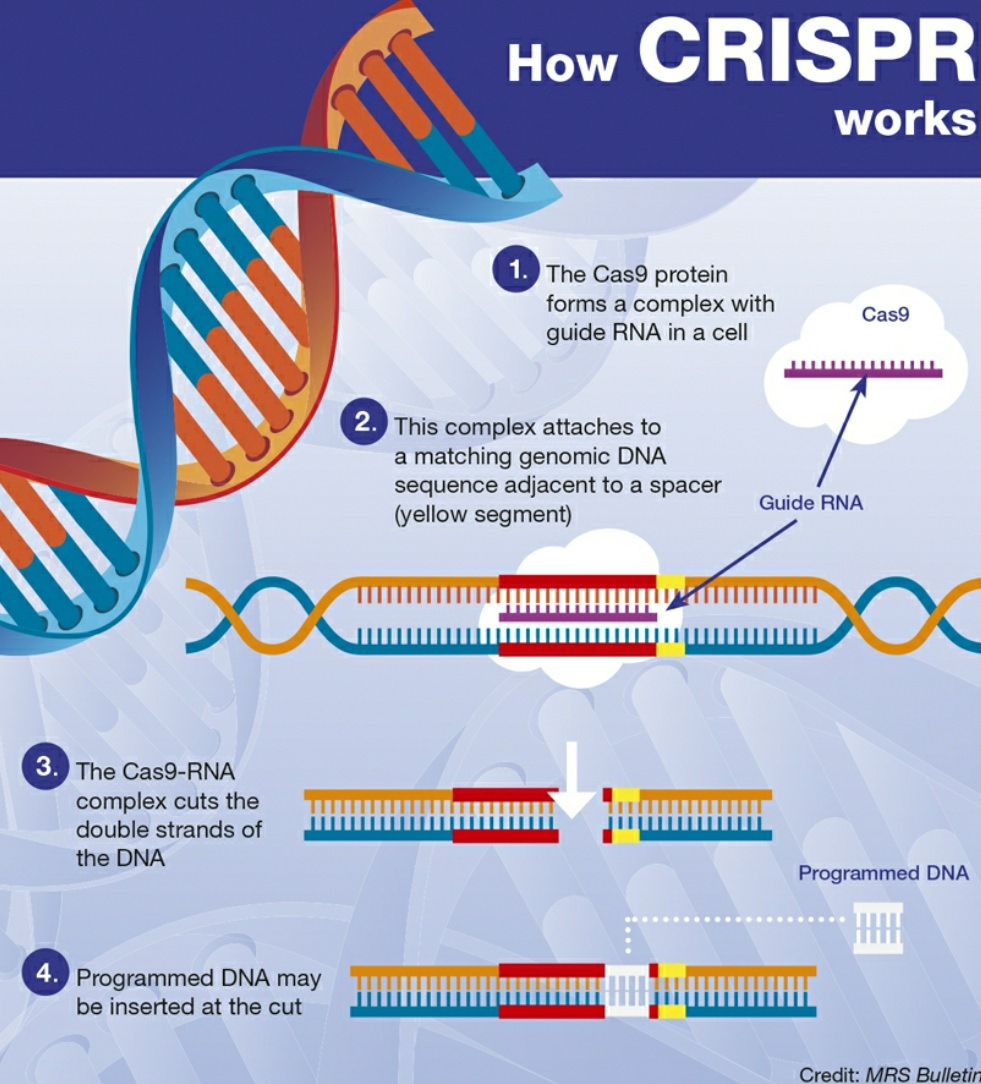
CRISPR technology, short for Clustered Regularly Interspaced Short Palindromic Repeats, is a revolutionary gene editing tool that allows scientists to modify an organism’s DNA with precision. It works by utilizing a guide RNA to identify specific genes and a Cas9 enzyme to cut the DNA at that location. This powerful tool has significant implications for gene editing across various fields, including agriculture, therapeutics, and disease prevention.

How can CRISPR technology contribute to health equity, particularly for diseases like sickle cell anemia?

CRISPR technology holds the promise of addressing health equity by offering potential cures for diseases like sickle cell anemia, which disproportionately affects certain populations. However, the high cost of CRISPR treatments poses challenges to equitable access, raising important ethical questions about who can afford these life-saving interventions. Ensuring fair distribution and access to CRISPR-based therapies is critical in achieving health equity.

What are the ethical considerations surrounding CRISPR technology and genetic modification?

Ethical considerations surrounding CRISPR technology include questions about the morality of editing human genes, especially for non-life-threatening conditions. Issues arise regarding parental rights to modify traits in their children, the potential for ‘designer babies,’ and the impact on human diversity and variation. These concerns necessitate careful deliberation of the implications of genetic modifications on society and individual rights.

Can CRISPR technology cure sickle cell anemia, and what are the potential risks?

Yes, CRISPR technology has shown the potential to cure sickle cell anemia by effectively editing the genes responsible for the disease. However, potential risks include unintended genetic changes, long-term health effects, and ethical dilemmas surrounding the manipulation of human genes. Each treatment’s effectiveness and safety must be rigorously evaluated to avoid unforeseen consequences.

How does CRISPR technology impact medical ethics in gene editing?

CRISPR technology significantly impacts medical ethics by introducing complex dilemmas regarding consent, the purpose of gene editing, and the consequences of altering human genomes. Ethical discussions focus on balancing scientific advancement with the need to protect individual rights, societal norms, and the potential for misuse, emphasizing the importance of establishing strong ethical frameworks to guide the application of gene editing.

What are the long-term implications of CRISPR and genetic modification for future generations?

The long-term implications of CRISPR and genetic modification include the potential to eradicate genetic diseases and enhance human capabilities, but also raise concerns about genetic diversity and inequality. As edited genes are passed down to future generations, understanding the ecological and social ramifications becomes crucial. Ongoing dialogue about the ethical use of this technology will shape its impact on humanity and the environment.

Key Points Details
Overview of CRISPR CRISPR technology allows for editing somatic and germline genes, making it possible to potentially cure genetic diseases.
Ethical Concerns Questions about the responsibility and decision-making power involved in choosing to edit genes, particularly for conditions like Down syndrome.
Cost & Accessibility The sickle cell cure costs approximately $2.2 million, raising issues of fairness and health equity.
Social Implications Concerns about who benefits from genetic innovations and the ethical considerations of choices made by parents regarding their children.
Global Oversight The lack of regulatory oversight in countries like Russia and China regarding gene editing practices.
Unintended Consequences Gene editing may have unforeseen effects due to complex interactions within genes that have evolved over billions of years.

Summary

CRISPR technology presents a groundbreaking opportunity to address genetic diseases, but it is fraught with ethical dilemmas and social implications. The ability to edit genes raises fundamental questions about the moral responsibilities associated with such power. Innovations like these must be approached thoughtfully, acknowledging the impact on fair access to medical advancements and the potential for unforeseen consequences. As we progress in this realm, it is crucial to balance the promise of CRISPR with a comprehensive understanding of its risks and ethical considerations.


Gene Editing: Revolutionizing Treatment for Genetic Diseases

Gene editing is revolutionizing the field of medicine, offering new hope for the treatment of genetic diseases. Spearheaded by innovators like David Liu, this groundbreaking technology utilizes advanced techniques such as base editing and prime editing to correct DNA mutations at a molecular level. Unlike traditional methods, which manipulate DNA like scissors, these novel approaches allow for precise alterations that can potentially eliminate the root causes of debilitating diseases. With the aid of CRISPR technology, researchers are making strides in clinical trials, showcasing the life-changing impacts of gene editing on patients suffering from previously incurable conditions. As science continues to evolve, the possibilities of gene editing in creating healthier futures become increasingly thrilling and essential.

The field of genetic modification is making unprecedented advancements, paving the way for transformative healthcare solutions. Innovations in this area, particularly through techniques like base editing and prime editing, are beginning to redefine our understanding of how to address hereditary conditions. Researchers are now equipped with tools that not only correct DNA errors but also tailor genetic sequences for improved health outcomes, significantly enhancing patient care. With the foundational support of CRISPR technological frameworks, scientists are embarking on an exciting journey where correcting genetic anomalies could soon become a reality. As these methodologies gain traction in clinical settings, the potential to rewrite our genetic destinies presents an entirely new horizon in medicine.

The Impact of Base Editing on Genetic Disease Treatment

Base editing has emerged as a groundbreaking advancement in gene editing technology, fundamentally altering the approach to treating genetic diseases. By enabling precise corrections of single nucleotide mutations, base editing enhances the potential for tailored therapies aimed at specific genetic disorders. This method is particularly transformative for conditions caused by common mutations, as it minimizes off-target effects, offering a safer option compared to traditional CRISPR technology that relies on DNA double helix cutting. Consequently, this precision not only ensures more effective treatment outcomes but also fosters hope for patients who previously faced limited options.

The success of base editing was vividly illustrated in the case of Alyssa Tapley and her battle against T-cell leukemia. After standard treatments failed, Tapley’s participation in a clinical trial utilizing base editing resulted in a significant improvement in her condition. This case exemplifies the possibilities that base editing brings to the realm of genetic disease therapy, as it provides a lifeline to those suffering from strains of genetic mutations that were once deemed untreatable. The ongoing trials of this technique signify a shift in the landscape of genomic medicine, promising a future where genetic diseases could become manageable or even eradicated.

Prime Editing: The Next Frontier in Gene Editing

Prime editing represents a remarkable evolution in gene editing techniques, expanding the potential resolutions for genetic alterations far beyond the capabilities of its predecessors. Unlike base editing, which is limited to substitutions, prime editing allows for a broader range of modifications, including insertions and deletions, akin to a highly functional word processor for DNA. This versatility makes prime editing particularly suited for addressing a wider variety of genetic diseases caused by complex mutations, providing a tool that can more accurately target and correct a diverse array of genetic issues.

In the context of Liu’s pioneering work, prime editing holds the key to addressing some of the more intricate genetic challenges that base editing may not fully resolve. The initial optimism surrounding this technology has been met with robust research and clinical trials, as evidenced by its application across various conditions. Liu’s team has taken crucial steps in ensuring that prime editors are not only effective but also maintain a high safety profile, countering some of the inherent risks associated with gene editing. As secretive as it may sound, the ongoing advancements will likely redefine therapeutic strategies as researchers delve deeper into the genetic basis of diseases.

Understanding CRISPR Technology and Its Evolution

CRISPR technology has revolutionized the landscape of genetic research and therapy since its discovery, offering a novel mechanism for gene editing. Initially harnessed from bacteria, CRISPR acts as a reliable immune system that enables precise modifications of DNA. David Liu’s insights into this technology underscore the importance of fundamental research that paved the way for groundbreaking advancements like base editing and prime editing. By leveraging the natural abilities of these bacterial systems, researchers have been able to manipulate genetic sequences, facilitating an unprecedented level of control over cellular functions and disease management.

The evolution of CRISPR has not only democratized access to gene editing but also intensified the search for solutions to long-standing genetic diseases. The transformation from utilizing CRISPR-Cas9 for disruptive cuts to harnessing its principles for precise edits embodies the spirit of innovation within the scientific community. As researchers like Liu explore the potential of CRISPR derivatives, they underscore the dual roles of curiosity-driven inquiry and application-oriented research, propelling forward the frontier of genetic therapies that could one day alleviate the burdens of hereditary conditions.

David Liu’s Contribution to Gene Therapy

David Liu stands out as a pivotal figure in the field of gene therapy, consistently driving forward the boundaries of what is possible with gene editing technologies. His work on base and prime editing has not only showcased his innovative vision but also highlighted the critical importance of research that connects basic science with real-world applications. Liu’s dedication to ensuring the safety and efficacy of these technologies reflects a profound responsibility, as the implications of gene editing extend far beyond the laboratory and into the lives of patients facing genetic diseases.

Liu’s journey from academic curiosity to impactful breakthroughs underscores the transformative power of scientific inquiry. The successes achieved through his research signal a new era in the management of genetic diseases, where precision therapies can replace or supplement conventional treatments. As Liu champions the cause of gene editing, his insights and innovations serve as a beacon for future researchers, advocating for sustained collaboration between academia and healthcare sectors to cultivate advancements that enhance patient outcomes and ultimately rewrite the genetic destinies of countless individuals.

The Significance of Basic Science in Gene Editing

Basic science serves as the foundational bedrock for breakthroughs in gene editing technologies, facilitating discoveries that propel advancements in medical applications. As demonstrated by Liu’s work with CRISPR, fundamental research often yields unexpected insights that can be transformed into powerful therapeutic tools. The journey from observing peculiar DNA sequences in bacteria to developing sophisticated techniques like base and prime editing exemplifies how exploratory research can lead to pragmatic solutions for complex challenges, including the fight against genetic diseases.

Liu’s emphasis on the significance of basic science resonates particularly in the context of modern scientific challenges. The ongoing quest to deepen our understanding of genetic mechanisms aligns with the ethos of inquiry that propelled early CRISPR studies. By fostering an environment where researchers feel empowered to pursue curiosity-driven projects, the scientific community can continue to unlock new potentials in gene editing—potentially harnessing these insights to pave the way towards innovative therapies for previously unmanageable genetic disorders.

Clinical Trials of Gene Editing Technologies

The rise of clinical trials incorporating gene editing technologies marks a significant milestone in addressing genetic diseases. With the increasing number of trials utilizing innovations like base editing and prime editing, patients are given new hope as they participate in studies designed to assess the safety and efficacy of these transformative treatments. With at least 18 active trials at present, the landscape of genetic therapy is rapidly evolving, as researchers attempt to bring cutting-edge gene editing solutions to the forefront of clinical practice.

These clinical trials not only aim to demonstrate the therapeutic potential of gene editing but also provide critical data on how these technologies can be safely integrated into routine patient care. The progress made within these trials is a testament to the hard work of dedicated researchers and patients alike, who are willing to embrace innovation for a chance at improved health outcomes. As Liu and his contemporaries push the envelope of what is achievable in gene therapy, these clinical trials will continue to play a vital role in the realization of effective treatments for genetic diseases.

Safety and Ethical Considerations in Gene Editing

The advent of gene editing technologies brings multifaceted ethical and safety discussions to the forefront of scientific discourse. As researchers like David Liu advocate for the implementation of base and prime editing, there is a critical emphasis on ensuring that the procedures are conducted within rigorous safety parameters. The potential for off-target effects or unintended genetic modifications necessitates a careful balance between innovation and patient safety, reinforcing the need for comprehensive oversight and regulatory frameworks.

Ethically speaking, the manipulation of genetic material raises profound questions about the implications for future generations and the overall direction of genetic engineering. Liu’s cautious approach to declaring these technologies as cures reflects the importance of establishing a solid evidential foundation before declaring their success. Through transparent dialogue and robust ethical considerations, the scientific community can work towards establishing a responsible framework for gene editing that addresses both safety and moral responsibilities while fostering advancements that can genuinely benefit society.

Fostering Young Scientists in Gene Editing Research

Nurturing the next generation of scientists is essential for sustaining the momentum of innovation in gene editing and related fields. David Liu’s concerns regarding the challenges faced by young researchers resonate widely within academic circles, where financial and bureaucratic instability may deter emerging talents from pursuing impactful scientific careers. By supporting young scientists through mentorship, funding opportunities, and collaborative support, the scientific community can ensure that fresh perspectives and ideas continue to thrive in addressing complex genetic diseases.

Programs that foster interdisciplinary collaborations between experienced researchers and newcomers can cultivate an environment where groundbreaking ideas are cultivated. As the complexities of gene editing demand diverse expertise, the synergy between emerging scientists and seasoned professionals can yield innovative solutions that benefit patient communities. Liu’s emphasis on the critical role of young scientists serves as a call to action for investment in their development, safeguarding the future of gene research and the promise of genetic therapies that can change lives.

The Future of Gene Editing: Innovations on the Horizon

Looking towards the future, the field of gene editing is poised for continued innovation, with a wealth of potential advancements on the horizon. The rapid evolution of technologies like base editing and prime editing is indicative of a larger trend focusing on refining genetic modification techniques to enhance precision and reduce risks. As researchers delve further into the intricacies of the human genome, the capabilities of gene editing tools will likely expand, enabling treatments tailored to complex genetic profiles and multifactorial diseases.

Future developments in gene editing may encompass not only enhancements in precision but also integrative approaches that combine these technologies with other therapeutic modalities. As researchers like David Liu push the boundaries of possibility, it is anticipated that novel hybrid techniques will emerge, allowing for synergistic effects that could significantly improve treatment outcomes. This dynamic landscape promises a future where the capabilities of gene editing can be harnessed to tackle the most pressing challenges in genetic medicine, potentially transforming the lives of countless individuals affected by genetic disorders.

Frequently Asked Questions

What is gene editing and how does it relate to CRISPR technology?

Gene editing is a technology that allows for the precise alteration of an organism’s DNA. CRISPR technology, particularly CRISPR-Cas9, is a revolutionary tool used in gene editing that enables scientists to cut DNA at specific locations, making it possible to disable genes or introduce modifications. This capability plays a crucial role in advancing gene-editing applications for genetic diseases.

How does base editing differ from traditional CRISPR technology in gene editing?

Base editing is an advanced form of gene editing that refines the traditional CRISPR technology approach. Unlike CRISPR-Cas9, which cuts the DNA helix, base editing directly converts one DNA base into another without introducing double-strand breaks. This makes base editing particularly valuable for correcting specific mutations that lead to genetic diseases.

What are some common genetic diseases that gene editing technologies can address?

Gene editing technologies, like base editing and prime editing, target various genetic diseases, particularly those caused by single nucleotide mutations. Conditions such as sickle cell disease, cystic fibrosis, and certain forms of muscular dystrophy can potentially be treated using these innovative gene-editing approaches.

Who is David Liu and what is his contribution to gene editing?

David Liu is a prominent scientist and a recipient of the Breakthrough Prize, known for his pioneering work in gene editing. He played a significant role in developing base editing and prime editing technologies, enhancing our ability to correct genetic mutations that cause diseases. His work represents a significant advancement beyond traditional CRISPR technology.

What is prime editing and how does it improve the capabilities of gene editing?

Prime editing is a novel gene-editing technique that allows for more precise modifications to DNA than traditional methods. It functions like a word processor for DNA, enabling researchers to insert, delete, or replace DNA sequences with specific alterations. This method addresses a broader range of genetic errors than previous CRISPR techniques.

What impact has gene editing had on the treatment of diseases like leukemia?

Gene editing has shown promising results in treating diseases like leukemia through clinical trials. For instance, base editing was utilized in the case of Alyssa Tapley, leading to significant improvements in her condition. Such breakthroughs demonstrate the potential of gene editing to transform lives by providing effective treatments for previously incurable diseases.

What are the ethical considerations surrounding gene editing technologies?

The rise of gene editing technologies such as CRISPR, base editing, and prime editing raises important ethical considerations. Key concerns include the long-term effects of altering human DNA, potential misuse of the technology, and the moral implications of editing germline cells that can affect future generations. As research progresses, maintaining an ethical framework is crucial.

What are the future prospects of gene editing in medicine?

The future of gene editing in medicine looks promising, with ongoing research and clinical trials aiming to treat a variety of genetic diseases. Innovations like base editing and prime editing could lead to permanent corrections of genetic mutations, decreasing the prevalence of inherited conditions and transforming therapeutic approaches in healthcare.

How is base editing being used in clinical trials today?

Currently, there are numerous clinical trials underway that utilize base editing to treat a range of genetic diseases. This cutting-edge technology allows for specific mutations to be corrected while minimizing off-target effects, showcasing its potential to revolutionize gene therapy and enhance patient outcomes.

Can gene editing technology lead to permanent cures for genetic diseases?

While scientists are cautious about labeling gene editing technologies as ‘cures,’ early clinical trials have shown that patients treated with base and prime editing are experiencing long-term improvements and, in some cases, may no longer require medication. The possibility of permanent cures is a significant goal for ongoing research in gene editing.

Key Point Details
Alyssa Tapley’s Case Alyssa Tapley overcame T-cell leukemia through a clinical trial using base editing.
Breakthrough in Gene Editing Base editing is a novel gene-editing technology that allows precise changes to DNA.
David Liu’s Contribution David Liu, a prominent scientist, developed base and prime editing techniques.
Potential of Base and Prime Editing Both editing technologies aim to correct genetic mutations responsible for diseases.
Advancements in Clinical Trials There are 18 ongoing clinical trials using these gene editing techniques.
Importance of Basic Science Research on CRISPR led to significant advancements in gene editing.
Challenges Ahead Concerns about the impact of government policies on scientific research.

Summary

Gene editing has emerged as a revolutionary field in modern science, offering hope to patients suffering from genetic diseases. The case of Alyssa Tapley illustrates the profound impact of base editing technology in treating illnesses once deemed incurable. As scientists like David Liu continue to advance our understanding and capabilities in gene editing, the potential for curing genetic disorders is becoming increasingly tangible. However, ongoing challenges in research funding and governmental support underscore the necessity of collaboration in ensuring continued progress. Overall, gene editing represents a promising frontier in medical science.

Breakthrough Prizes Recognize Harvard Scientists for Innovation

Breakthrough Prizes are prestigious awards that highlight remarkable advancements in scientific fields, often referred to as the “Oscars of Science.” Established in 2013 by tech visionaries like Sergey Brin and Mark Zuckerberg, these honors celebrate innovative work in life sciences, mathematics, and physics. This year, three Harvard scientists have made headlines with their groundbreaking contributions; Alberto Ascherio’s research links Epstein-Barr virus infection to multiple sclerosis (MS), Joel Habener’s discoveries surrounding GLP-1 have transformed diabetes treatments, and David Liu’s gene editing technologies are paving the way for genetic disease therapies. With such significant accolades, the Breakthrough Prizes shine a spotlight on work that has the potential to alter medical practices and improve human health for millions. Their efforts exemplify the incredible impact of scientific discovery in our modern world.

The Breakthrough Prizes serve as a beacon of recognition for outstanding achievements in scientific research. Often dubbed the “Nobel Prize of Science,” these awards promote groundbreaking discoveries that can lead to transformative changes in health and technology. This year, notable Harvard researchers have garnered attention for their exceptional contributions in areas such as gene manipulation techniques, chronic disease causes, and hormonal regulation—topics that resonate deeply in the medical community. Highlighting the work of individuals like Ascherio, Habener, and Liu not only underscores the importance of their findings but also reflects the collaborative spirit deeply embedded in pioneering research. As they tackle complex issues like multiple sclerosis, obesity, and genetic disorders, their efforts are integral to our understanding of health and disease.

Significant Advances in Gene Editing: A Focus on Harvard Innovations

The field of gene editing has witnessed monumental breakthroughs recently, particularly through the efforts of Harvard scientists like David Liu. His work on base editing and prime editing has revolutionized the ability to correct disease-causing mutations in DNA, allowing for potential cures to genetic disorders that have plagued humanity for generations. These innovations represent careful and complex advancements in biotechnology, bringing hope to many patients facing life-threatening conditions.

Base editing, introduced in 2016, provides a unique method of altering one DNA base pair at a time, facilitating the correction of genetic errors without causing double-strand breaks in DNA. This precision not only minimizes unintended effects but also maximizes the potential for success in clinical applications. As the scientific community continues to understand the depths of genetic abnormalities, advancements in gene editing technologies promise a future where conditions, once considered incurable, may become manageable or even possibly eradicated.

The Role of Epstein-Barr Virus in Multiple Sclerosis Research

Recent findings by Harvard epidemiologist Alberto Ascherio has established a crucial link between Epstein-Barr virus (EBV) and multiple sclerosis (MS), revealing a path to understanding this complex neurological disease. The historic study, which monitored more than 10 million U.S. soldiers over two decades, provided compelling evidence that EBV infection significantly increases the risk of developing MS later in life. This advancement marks a watershed moment in MS research, paving the way for potential vaccines and therapies targeting the Epstein-Barr virus.

Understanding the mechanisms behind EBV’s role in triggering MS not only enhances the scientific community’s grasp of the disease but also influences public health strategies aimed at prevention. The recognition by the Breakthrough Prizes further underscores the impact of this research, placing a spotlight on the need for continued investigation into viral triggers of neurological diseases and potentially revolutionizing treatment methodologies for MS patients.

Breakthrough Prizes: Acknowledging Scientific Excellence

The Breakthrough Prizes, often dubbed the ‘Oscars of Science,’ play a vital role in recognizing significant advancements in various scientific fields. The 2025 awards honored three Harvard researchers whose groundbreaking work in medical science, specifically in gene editing and diseases like multiple sclerosis and obesity, has far-reaching implications for health worldwide. This acknowledgment not only highlights their contributions but also encourages future research and innovation within the scientific community.

The prestigious awards draw attention to the collaborative nature of scientific achievement, celebrating teams rather than individual accomplishments. By honoring scientists like Alberto Ascherio, Joel Habener, and David Liu, the Breakthrough Prizes underscore the ongoing battle against diseases that afflict millions, including conditions like Type 2 diabetes and MS. Such recognition serves as both an inspiration and a catalyst for further exploration into the causes and treatments of chronic health issues.

The Impact of GLP-1 Hormone on Obesity Treatments

GLP-1, a hormone critical for regulating appetite and blood sugar, has been significantly advanced by the research conducted by Harvard’s Joel Habener and his colleagues. Their comprehensive studies have unveiled the complexities of hormonal interactions and how GLP-1 plays a pivotal role in managing obesity and metabolic conditions. By elucidating these mechanisms, the team has laid the groundwork for innovative GLP-1 based therapies that offer new hope to individuals struggling with weight management.

These advancements in our understanding of GLP-1 have led to transformative treatments for Type 2 diabetes, as the hormone has been found to improve insulin sensitivity and promote weight loss. As the prevalence of obesity continues to rise globally, ongoing research and development of GLP-1 therapeutic options are crucial. This work not only speaks to the challenges of obesity but also highlights the importance of interdisciplinary approaches in tackling complex health issues.

Future Directions in Gene Editing Technology

As gene editing technologies like base editing and prime editing continue to evolve, the possibilities for therapeutic applications expand exponentially. The flexibility of these platforms means researchers can approach numerous genetic diseases, tailoring interventions to target specific mutations. This shift represents a tangible move towards personalized medicine—an approach that seeks to customize treatments to the individual characteristics of each patient’s genetic makeup.

The collaboration between academic institutions and biotech firms is set to enhance the application of these gene editing techniques, propelling forward the translation of laboratory findings into clinical practice. Continued investment and research in this area are essential for unlocking the full potential of gene editing, ensuring that these revolutionary tools can be employed effectively to combat genetic diseases and improve public healthcare outcomes.

Understanding Multiple Sclerosis and Its Challenges

Multiple sclerosis is a debilitating condition that currently affects millions of individuals globally, characterized by the immune system attacking the protective sheath that covers nerve fibers. Efforts such as Ascherio’s groundbreaking research are astonishing in their ability to dive deep into the obscure mechanisms at work behind this disease. By establishing a definitive link between Epstein-Barr virus and MS, researchers can target this viral infection, potentially offering preventive strategies that could alter the course of this relentless disease.

Moreover, the public awareness surrounding multiple sclerosis, fueled by this new understanding, is vital in garnering support for research funding and advocacy. When the connections between viral infections and autoimmune diseases like MS are better understood, it encourages comprehensive healthcare strategies and preventative measures to combat this chronic condition. Awareness and continuous research are critical components in advancing the science and treatment of MS.

Epidemiology and Its Role in Disease Understanding

Epidemiology, as exemplified by Ascherio’s work, plays a crucial role in understanding the spread and risks associated with diseases like multiple sclerosis. By examining factors such as genetics, environment, and infectious agents like Epstein-Barr virus, epidemiologists help unravel the complexities of diseases that impact public health. This research is critical not only for identifying risk factors but also for developing effective public health strategies and interventions.

The insights provided by epidemiological studies can influence policy decisions, funding for health initiatives, and public awareness campaigns. The link established between EBV and MS highlights how pivotal epidemiological research can be in shaping the future of disease prevention and treatment strategies, ultimately leading to improved health outcomes for populations at risk.

The Transformative Potential of Science in Healthcare

The work of Harvard scientists in areas like gene editing and hormoneresearch exemplifies the transformative potential of scientific advancements in healthcare. Innovations such as base editing and GLP-1 drugs are not only changing the landscape of how we approach diseases but also providing new pathways for treatments that were previously inconceivable. As researchers push the boundaries of what’s possible, the integration of these discoveries into healthcare systems becomes a fundamental aspect of improving patient outcomes.

Scientific research is a continuous journey, and as new technologies emerge, so do the opportunities for profound change. The recognition of these efforts through accolades like the Breakthrough Prizes serves to reinforce the importance of scientific inquiry and its impact on society. By prioritizing funding and support for innovative research, we lay the groundwork for a future where scientific breakthroughs translate into effective, life-saving therapies.

Advancements in Understanding Autoimmune Diseases

The exploration of autoimmune diseases, such as multiple sclerosis, is made significantly more accessible through the breakthroughs achieved by scientists like Alberto Ascherio. Identifying viral links to autoimmune conditions shifts the scientific perspective, highlighting the importance of understanding underlying infections in the management and prevention of these diseases. This newfound knowledge opens doors to developing vaccines and therapeutic strategies that target specific infections and reduce disease incidence.

As research continues to delve into the interplay between viral infections and autoimmune responses, we anticipate a future where early interventions may prevent the onset of conditions like MS altogether. This transformative perspective could change how healthcare systems approach these diseases, moving towards more preventative models rather than solely reactive treatments.

Frequently Asked Questions

What is the significance of the Breakthrough Prizes awarded to Harvard scientists in 2025?

The 2025 Breakthrough Prizes, often referred to as the ‘Oscars of Science’, recognized three Harvard scientists for their groundbreaking advancements in gene editing and important research on diseases like multiple sclerosis and obesity. Notably, the awards highlight the contributions of researchers like Alberto Ascherio, who established a link between Epstein-Barr virus and multiple sclerosis, and Joel Habener, who advanced our understanding of GLP-1’s role in blood sugar regulation and appetite control.

How have the Breakthrough Prizes influenced research on multiple sclerosis and the Epstein-Barr virus?

The Breakthrough Prizes have brought significant attention to the research connecting Epstein-Barr virus to multiple sclerosis (MS), particularly through the work of Alberto Ascherio, who showed how infection increases MS risk. This recognition has catalyzed further research into potential vaccines and treatments targeting the Epstein-Barr virus, showcasing the prizes’ role in advancing scientific breakthroughs in understanding MS.

What role did GLP-1 play in the research recognized by the Breakthrough Prizes?

GLP-1, or glucagon-like peptide-1, was a focal point in the research recognized by the Breakthrough Prizes, particularly through the efforts of Joel Habener. His work contributed significantly to the understanding of GLP-1’s mechanisms in regulating blood sugar and appetite, which has led to the development of innovative treatments for Type 2 diabetes and obesity, illustrating the impact of this research on public health.

What are base editing and prime editing, and how do they relate to the Breakthrough Prizes?

Base editing and prime editing are revolutionary gene editing technologies developed by David Liu, acknowledged in the Breakthrough Prizes. These methods allow precise corrections of genetic mutations responsible for various diseases. Their impact is profound, as they are already being used in clinical trials and research, exemplifying how the Breakthrough Prizes celebrate significant advancements in gene editing that could transform therapies for genetic disorders.

Why are the Breakthrough Prizes also referred to as the ‘Oscars of Science’?

The Breakthrough Prizes are dubbed the ‘Oscars of Science’ due to their prestigious status in honoring outstanding achievements in scientific research, akin to how the Oscars recognize excellence in film. The prizes highlight major advancements in fields like life sciences, fundamental physics, and mathematics, with the 2025 awards focusing notably on important breakthroughs in gene editing, multiple sclerosis, and obesity treatment.

Who are the notable Harvard scientists awarded Breakthrough Prizes in 2025 and their contributions?

In 2025, notable Harvard scientists Alberto Ascherio, Joel Habener, and David Liu were awarded Breakthrough Prizes. Ascherio was recognized for linking Epstein-Barr virus infection to multiple sclerosis, Habener for advancing knowledge of GLP-1 and its implications in diabetes and obesity, and Liu for developing gene editing techniques like base and prime editing, which hold great promise for correcting genetic disorders.

Name Affiliation Achievement Impact
Alberto Ascherio Harvard T.H. Chan School of Public Health and Harvard Medical School Identified Epstein-Barr virus as a leading cause of multiple sclerosis (MS) Revolutionized MS research and led to potential vaccine development.
Joel Habener Harvard Medical School Contributions to glucagon-like peptide-1 (GLP-1) hormone research Advanced treatments for Type 2 diabetes and obesity through GLP-1 drugs.
David Liu Broad Institute and Harvard University Development of gene editing techniques: base editing and prime editing Potential to correct most genetic mutations and transform treatment of genetic diseases.

Summary

The Breakthrough Prizes have honored three remarkable Harvard scientists for their significant contributions to health and medicine, each paving a path towards revolutionary advances in our understanding and treatment of diseases. Alberto Ascherio’s identification of the Epstein-Barr virus as a leading MS cause offers new hope for disease management, while Joel Habener’s research on GLP-1 has enhanced therapeutic options for diabetes and obesity. Furthermore, David Liu’s innovations in gene editing hold the promise of correcting genetic disorders, thereby offering transformative solutions to previously unmanageable health conditions. Each of these achievements underscores the profound role that research plays in shaping the future of healthcare.