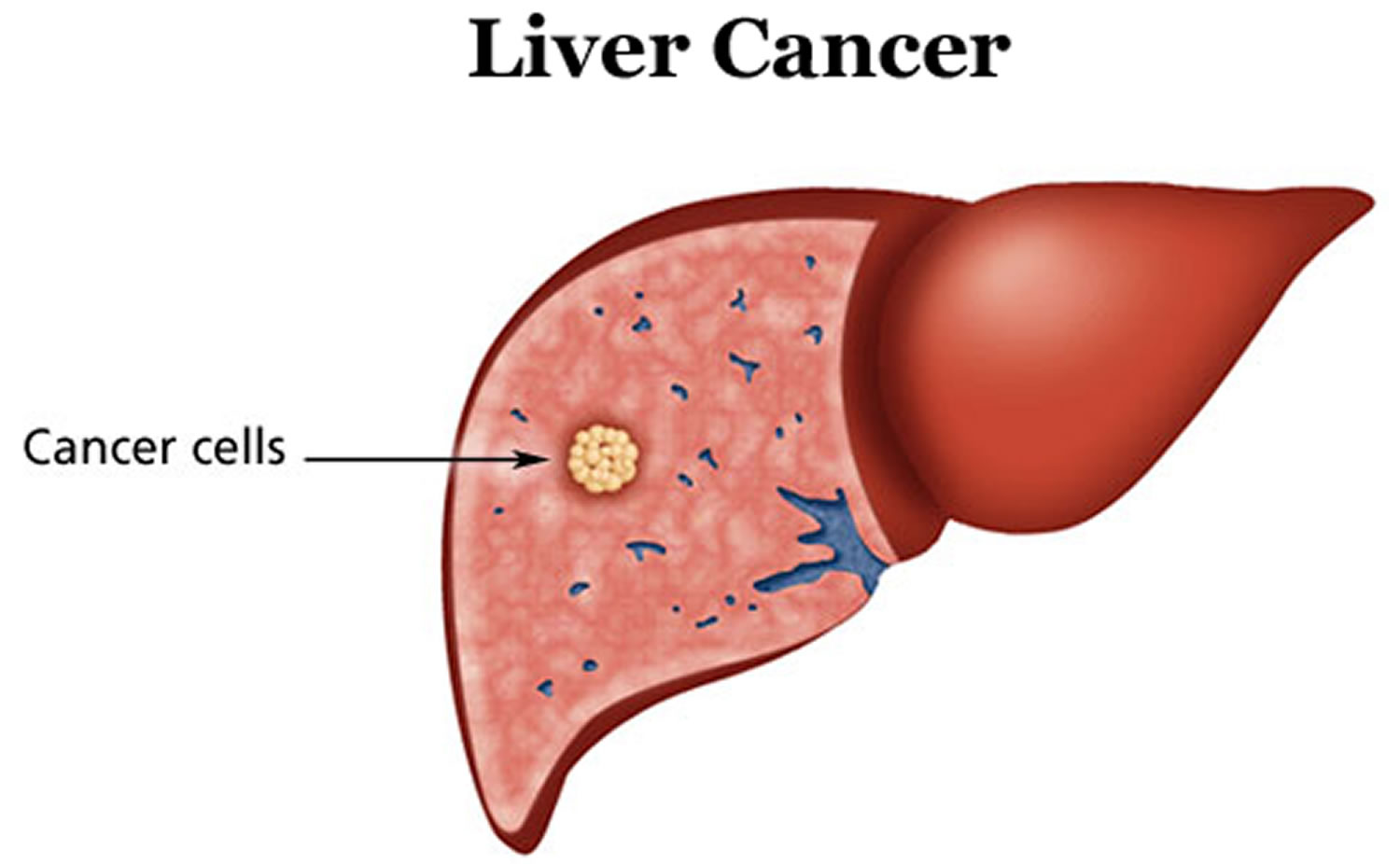

Bile imbalance is becoming an alarming health issue as recent studies highlight its connection to severe liver diseases, including liver cancer. The intricate balance of bile acids, crucial for fat digestion, can become disrupted, leading to the development of hepatocellular carcinoma (HCC), the predominant type of liver cancer. As researchers delve into the molecular mechanisms, they uncover the role of FXR activation in regulating bile acid homeostasis and its significance in cancer biology. Understanding bile acids and their impact on YAP signaling can open new avenues for innovative treatment interventions. By addressing bile imbalance, we can potentially halt the progression of liver injuries and reduce the risk of cancerous transformations in affected individuals.
Exploring the delicate equilibrium of bile acids reveals a critical factor in liver health, commonly referred to as bile dysfunction. This disruption can manifest as an overproduction of bile components which, if left unchecked, paves the way for serious conditions like hepatocellular carcinoma (HCC). Research emphasizes the need for maintaining bile acid balance through various mechanisms, including the activation of specific nuclear receptors like FXR. Furthermore, understanding pathways such as YAP signaling adds depth to our knowledge of liver disease progression and opens doors for therapeutic strategies. Recognizing bile dysfunction as a prelude to liver ailments is essential to mitigate risks associated with liver cancer.
The Critical Role of Bile Acids in Liver Health
Bile acids are vital for the proper digestion and absorption of dietary fats, aiding in the metabolic processes essential for maintaining liver health. The liver’s production of these substances serves not only a digestive purpose but also plays a crucial role in endocrine signaling. Dysregulation in bile acid levels can lead to severe hepatic complications, including chronic liver diseases. Studies show that optimal bile acid levels can enhance metabolic homeostasis and reduce inflammation, indicating their significant impact on overall liver functionality.
Recent findings indicate that maintaining a balanced bile acid environment can prevent the onset of serious conditions such as fatty liver disease and hepatocellular carcinoma (HCC). Understanding the relationships between bile acid metabolism and liver function is essential for developing therapeutic strategies aimed at liver disease prevention and treatment. Researchers are now focusing on how the manipulation of bile acid pools could yield beneficial effects in managing liver conditions and enhancing liver health.
Bile Imbalance and Its Implications for Hepatocellular Carcinoma
An imbalance in bile acids is increasingly recognized as a pivotal factor in the development of hepatocellular carcinoma (HCC). This condition arises when bile acids are overproduced or improperly metabolized, leading to toxic accumulation within liver cells. This toxic burden can incite inflammation and fibrosis, critical precursors to liver cancer. Recent studies have highlighted the role of specific pathways, including YAP signaling, in regulating bile acid metabolism and its associated risk for HCC.
The identification of key molecular mechanisms underscores the interaction between bile acid homeostasis and cancer development. Notably, the activation of the YAP pathway has been shown to inhibit the function of FXR, a key regulator of bile acids. This inhibitory effect not only disrupts normal bile function but also fosters an environment conducive to tumor growth. The ongoing research into these pathways may pave the way for novel interventions aimed at restoring bile balance as a preventative measure against HCC.
Understanding FXR Activation in Liver Cancer Treatment
FXR (Farnesoid X receptor) serves as a critical regulator of bile acid homeostasis and is integral to liver function. Activation of FXR can counteract the harmful effects of bile imbalance by promoting proper bile acid synthesis and excretion. The therapeutic potential of FXR activation is underscored by evidence suggesting that it may inhibit the proliferation of cancerous liver cells, thereby slowing down the progression of hepatocellular carcinoma. Advancements in pharmacological agents capable of FXR stimulation hold promise for hepatic cancer therapies.
Moreover, stimulating FXR activity can mitigate inflammation and fibrosis—two key processes involved in liver cancer development. As researchers delve deeper into FXR signaling pathways, they uncover exciting opportunities to refine treatment approaches for liver diseases, especially in patients exhibiting signs of bile imbalances. By enhancing FXR function, clinicians could potentially offer new therapeutic avenues that not only target cancer directly but also address the underlying metabolic disturbances contributing to liver pathology.
The Link Between YAP Signaling and Bile Acid Regulation
YAP (Yes-associated protein) is increasingly recognized for its dual role in cancer development and bile acid regulation. In the context of liver cancer, YAP acts as a repressor of FXR, disrupting the homeostatic control of bile acids. This interaction emphasizes the complexity of cellular signaling involved in both normal liver function and disease. By inhibiting FXR, YAP contributes to the cycle of bile accumulation, leading to hepatic inflammation and promoting tumor growth.
Research into YAP’s mechanism reveals that targeting this pathway could provide insights for innovative treatments. By blocking YAP’s repressive functions or activating FXR, it may be possible to reverse the pathological cascade triggered by bile acid imbalances. This novel approach holds promise for developing therapeutic interventions that could inhibit liver cancer progression by restoring proper bile acid regulation and thereby improving liver health.
Innovative Strategies for Managing Bile Imbalance
To effectively manage bile imbalance and its consequences, innovative therapeutic strategies are emerging. Current research suggests that pharmacological agents designed to enhance FXR activity or promote bile acid clearance could mitigate the progression of liver diseases. These strategies could address the root cause of bile disruption rather than solely focusing on symptom relief. For instance, compounds that directly activate FXR are being analyzed for their potential to restore bile acid homeostasis and reduce liver inflammation.
In addition to pharmacotherapy, lifestyle modifications such as diet and exercise play a crucial role in managing bile acid levels. Incorporating a balanced diet that supports liver health can positively influence bile production and excretion, while regular physical activity can enhance metabolic functions. By implementing a multi-faceted approach that combines medical intervention with lifestyle changes, it is possible to effectively combat bile imbalances and their associated health risks.
Research Advances in Hepatocellular Carcinoma Treatment
The ongoing research into the mechanisms underlying liver cancer treatment is pivotal in unveiling new targets for intervention. Recent studies are focusing on the interplay between bile acid metabolism and HCC, highlighting innovative therapeutic strategies that may revolutionize cancer care. Insights into the FXR and YAP signaling pathways are particularly promising, as they offer potential avenues to halt tumor progression through pharmacological modulation of these key regulators.
The exploration of bile acid-based therapies continues to gain momentum in the field of oncology. Utilizing agents that target the metabolic pathways influenced by bile acids not only holds promise for HCC treatment but also enriches the understanding of liver pathophysiology. As researchers push forward, the findings in this area will likely contribute significantly to the development of more effective and personalized treatment strategies for patients suffering from liver cancer.
Potential Pharmacological Solutions for Liver Cancer
Pharmaceutical innovations aimed at targeting bile acid regulation hold considerable promise for managing liver cancer. Recent studies suggest that agents enhancing FXR activity could serve as effective therapeutic options, promoting better bile acid management and reducing cancer risk. The development of drugs that can modulate the YAP signaling pathway to reverse its repressive effects on FXR presents another exciting frontier in liver cancer treatment.
As researchers continue to investigate pharmacological solutions, it becomes evident that combining targeted therapies with existing medical practices could maximize treatment efficacy. By strategically addressing bile acid imbalances and their roles in promoting liver cancer, healthcare professionals may improve patient outcomes significantly. The future of hepatology will likely hinge on such innovative therapeutic strategies that prioritize metabolic equilibria in liver health.
Challenges and Opportunities in Liver Disease Research
The field of liver disease research is replete with challenges, particularly in understanding the complex regulatory mechanisms governing bile acid metabolism. Despite the advances in molecular biology, significant gaps remain in translating laboratory findings into effective clinical therapies. Overcoming these hurdles requires a multidisciplinary approach that encompasses not only genetic and biochemical insights but also clinical application and patient care strategies.
On the opportunity front, recent breakthroughs in understanding the roles of FXR and YAP are not only shaping future research directions but are also paving the way for novel therapeutic interventions. By harnessing the power of modern technologies and collaborative research efforts, the potential to significantly enhance liver cancer treatment and management grows. As knowledge expands, so too does the opportunity to transform the landscape of hepatology and improve patient survivorship.
Nutrient Sensing and its Implications for Liver Health
Nutrient sensing is a crucial aspect of liver function, influencing various metabolic pathways including bile acid synthesis. The liver’s ability to respond to nutritional changes is intricately linked to bile metabolism, impacting both liver health and disease. Understanding how nutrient sensing affects bile acid regulation can shed light on potential interventions for liver diseases, including hepatocellular carcinoma.
As researchers delve into the complexities of nutrient interactions with bile acids, they uncover promising strategies for promoting liver health. By optimizing dietary choices that support proper bile acid metabolism, individuals may proactively safeguard their liver health. This integrative approach underscores the importance of nutrition as a fundamental pillar in preventing liver diseases and enhancing overall well-being.
Frequently Asked Questions
What is bile imbalance and how does it relate to liver cancer?
Bile imbalance refers to the disruption in the regulation and composition of bile acids produced by the liver. This imbalance can lead to liver diseases, including hepatocellular carcinoma (HCC), as it causes inflammation and fibrosis in the liver, ultimately increasing the risk of cancer development.
How do bile acids contribute to liver cancer (hepatocellular carcinoma)?
Bile acids play a crucial role in digestion but can become harmful when their balance is disrupted. Overproduction of bile acids due to bile imbalance can lead to liver inflammation and damage, which are significant risk factors for developing hepatocellular carcinoma.
What role does FXR activation play in bile imbalance and liver cancer?
FXR (Farnesoid X receptor) activation is essential for maintaining bile acid homeostasis. When bile imbalance occurs, FXR function is inhibited by proteins like YAP, resulting in elevated bile acid levels that can promote liver disease and eventually hepatocellular carcinoma.
How does YAP signaling influence bile acid metabolism and liver cancer development?
YAP signaling adversely affects bile acid metabolism by repressing the function of FXR. This repression leads to bile imbalance, causing excessive bile acid accumulation, inflammation, and an increased risk of liver cancer, specifically hepatocellular carcinoma.
What interventions can mitigate bile imbalance and reduce liver cancer risk?
Interventions aimed at enhancing FXR function, such as pharmacological solutions to stimulate FXR or promoting bile acid export, can reduce bile imbalance. This may help alleviate liver damage and potentially decrease the risk of developing hepatocellular carcinoma.
What are the implications of the recent study on bile imbalance and liver cancer treatments?
The recent study highlights the potential for new treatment strategies targeting bile imbalance in liver cancer. By understanding how YAP inhibits FXR, researchers hope to develop therapies that can restore bile acid homeostasis and prevent the progression of hepatocellular carcinoma.
| Key Point | Description |
|---|---|
| Bile Imbalance | A disruption in bile acid regulation can lead to liver diseases, including hepatocellular carcinoma (HCC). |
| Molecular Switch | The study identifies YAP as a key molecular switch affecting bile acid metabolism and liver cancer development. |
| FXR Role | The Farnesoid X receptor (FXR) is essential for maintaining bile acid homeostasis; its function is inhibited by YAP. |
| Treatment Implications | Potential treatments may include activating FXR or enhancing bile acid excretion to prevent liver damage. |
| Research Support | This research was supported by the National Institutes of Health and the National Cancer Institute. |
Summary
Bile imbalance is a critical health issue that has been linked to liver cancer, specifically hepatocellular carcinoma (HCC). Recent research has revealed that disturbances in bile acid regulation can lead to severe liver conditions. This highlights the importance of understanding bile metabolism, as targeting the molecular pathways involved in bile acid regulation could pave the way for new liver cancer treatments. By restoring balance to bile acids and enhancing their excretion, we may significantly reduce the risk of liver cancer and improve patient outcomes.