Medical Research Funding: Impact on Patient Safety and Ethics

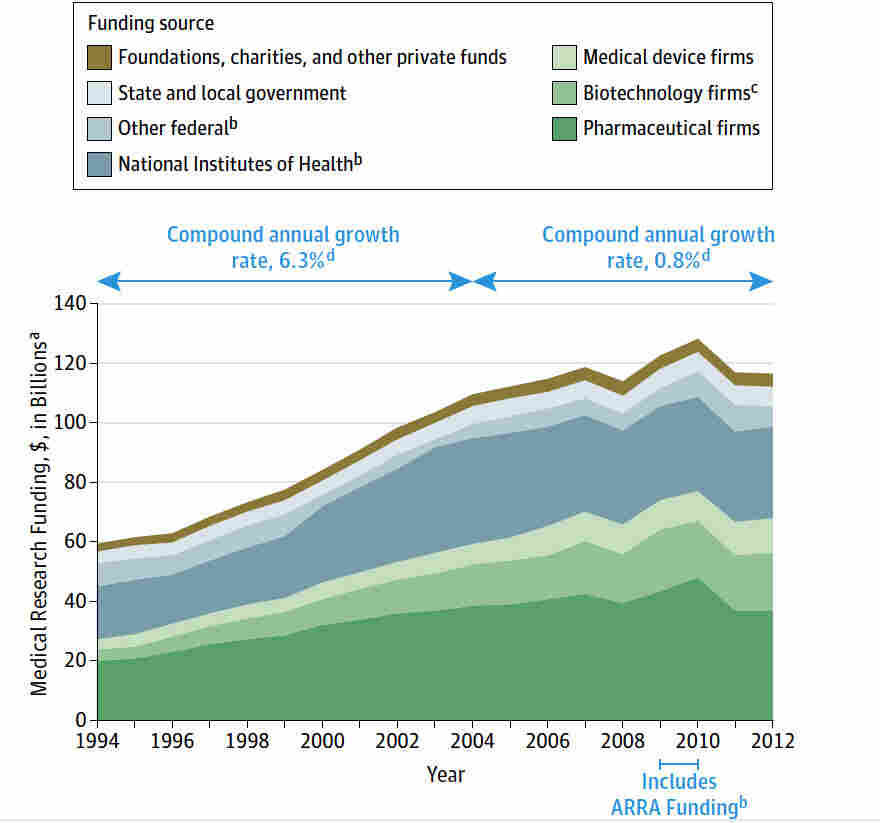
Medical research funding plays a critical role in advancing health outcomes and ensuring the safety of patients who participate in clinical studies. On the frontlines of medical innovation, it enables institutions like Harvard to develop and oversee groundbreaking research that adheres to ethical standards and regulatory compliances, safeguarding the welfare of trial participants. However, recent funding cuts have raised serious concerns about the impact on ongoing research projects and the overall patient safety in research. As institutions navigate these challenging waters, the implications of funding disruptions echo through the corridors of scientific inquiry, highlighting the fragility of progress in the face of budgetary constraints. With the National Institutes of Health (NIH) and other funders increasingly scrutinizing expenditures, maintaining robust oversight remains imperative for ethical medical research and the protection of participants.

The financial support for health-related studies, often dubbed as investment in clinical research, is fundamental to fostering advancements that improve human health. When budget limitations arise, they not only jeopardize ongoing experiments but also weaken the vital oversight mechanisms that ensure the ethical treatment of participants in these studies. The consequences of reduced funding ripple across medical institutions, affecting collaborative efforts and consequently diminishing patient safety in research endeavors. Furthermore, these financial constraints can derail the work of Institutional Review Boards (IRBs), which are essential in safeguarding medical research ethics and promoting public trust. As the landscape of medical research funding evolves, it is crucial to recognize the pivotal role these financial resources play in maintaining research integrity and public confidence.

The Importance of Medical Research Funding

Medical research funding is crucial for advancing healthcare and ensuring patient safety. This funding supports the development of new treatment protocols, innovative therapies, and medical devices that can drastically improve patient outcomes. Without adequate financial resources, research institutions may struggle to carry out vital studies that seek to understand diseases and their treatments fully. For example, the recent halt in funding has interrupted ongoing research, potentially delaying breakthroughs that could save lives or enhance the quality of health for numerous individuals.

Ample medical research funding not only enhances scientific inquiry but also strengthens the framework of patient safety protocols. It allows research teams to implement rigorous oversight mechanisms, such as Institutional Review Boards (IRBs), which play a fundamental role in protecting the rights and welfare of human participants involved in clinical trials. Disruptions in funding can lead to insufficient oversight, compromising participant safety and trust in the research process, which is essential for ethical medical practice.

Impact of Funding Cuts on Patient Safety

The recent cuts in funding pose a significant risk to patient safety within medical research. When federal grants are interrupted or eliminated, many research initiatives are forced to halt, which can lead to incomplete studies or the abandonment of critical safety assessments. The reliance on continual funding is essential for maintaining the best practices of patient safety in research, as institutions may struggle to afford the necessary reviews and oversight without financial support. This can create an environment where the ethical considerations of participant safety are compromised.

Moreover, reduced funding directly impacts the training and resources available to IRBs and research professionals tasked with ensuring ethical standards. Without adequate financial backing, these boards may not have the capability to conduct thorough reviews or address potential risks adequately. The lack of rigorous oversight can lead to situations where participants are exposed to greater risks without proper monitoring or informed consent processes being adhered to, ultimately diminishing public trust in the entire research enterprise.

The Role of Institutional Review Boards in Research Oversight

Institutional Review Boards (IRBs) play a pivotal role in safeguarding participants in medical research. They are responsible for reviewing research proposals to determine if they meet all ethical and legal standards while ensuring that the rights of participants are prioritized. IRBs not only examine informed consent processes but also assess risks, benefitting the overall integrity of the research by validating the methodologies presented. With adequate funding, IRBs can operate effectively, continuously educate researchers, and maintain compliance, thus protecting the health and safety of study participants.

In the absence of robust Institutional Review Board oversight, there can be severe consequences, including significant harm to participants and erosion of public confidence in medical research. Past historical events, like the Tuskegee Syphilis Study, serve as poignant reminders of the essentiality of ethical oversight. Funding cuts that hinder the operation of IRBs diminish their capability to uphold strict standards and protocols, putting vulnerable research populations at risk and potentially leading to repeat historical transgressions.

Ethical Implications of Research Funding Withdrawal

The ethical implications of reducing funding for medical research cannot be overstated. Individuals who volunteer for clinical trials expect that their participation will not only contribute to scientific advancement but also be respected in terms of their safety and rights. If funding cuts result in diminished oversight, it could inherently compromise research ethics, leading to scenarios where participants’ welfare is neglected to meet budgetary constraints. Ethical medical research is built on the foundation of trust, and any reduction in funding that threatens patient safety could result in a significant blow to public confidence.

Furthermore, the loss of funding can disproportionately affect studies that focus on underrepresented populations, reinforcing existing inequalities in healthcare. When funding streams become less accessible, research that addresses pressing public health issues may stall or disappear entirely, leaving vulnerable communities without adequate representation in clinical studies. This ethical consideration underscores the necessity for continued and equitable funding in medical research to ensure diverse participant safety and ethical standards.

Consequences of Stalled Clinical Trials

Stalled clinical trials due to funding cuts can have far-reaching consequences beyond the immediate research context. Participants who have committed their time and health to these studies may find themselves caught in the limbo of uncertainty, leaving them wondering about their health outcomes and the potential developments of therapies that could benefit them. This delay not only undermines their trust in the research process but also poses risks to their safety as the conditions they volunteered to be treated for may worsen in the absence of necessary interventions.

Additionally, the broader implications of halted clinical trials extend to public health and innovation on a national level. Drug and therapeutic developments heavily rely on successfully completed trials to demonstrate efficacy and safety to regulatory bodies like the FDA. When trials are halted, it stalls the entire pipeline and potentially slow the pace of scientific advancement, ultimately impacting patients who depend on new therapies to manage their conditions. The repercussions of such delays illustrate the interconnectedness of research funding and patient care.

Addressing Patient Concerns in Research

Addressing patient concerns in research is paramount for maintaining ethical standards and fostering trust. Clinical trials often present complexities that patients may find daunting. Researchers and IRBs must ensure that potential participants have clear and accessible information about the study, including potential risks and benefits. Engaging patients in dialogue about their concerns can empower them, reinforcing their autonomy in the decision-making process. Such practices improve informed consent procedures and the overall ethical framework of research.

Additionally, providing patients with avenues to express their concerns about the research and its impacts can lead to better study designs that prioritize patient safety. This incorporation of patient feedback helps ensure that research is focused on real-life implications and addresses the needs of the participants effectively. Ethical research thrives on communication and understanding; thus, fostering an environment where participants feel heard is essential for the success of clinical studies.

The Future of Medical Research Ethics

The future of medical research ethics hinges on the continuous commitment to safeguarding participant rights and well-being amid evolving scientific demands. As the landscape of medical research changes with new technologies and methodologies, ethical standards must also adapt. Ensuring that ethical considerations remain at the forefront necessitates robust funding streams, enabling institutions to train IRB members thoroughly and enforcing compliance with ethical guidelines. Future efforts must strive for a balance between innovation and the protection of human subjects.

Moreover, as funding landscapes change, it is crucial that researchers remain vigilant about the ethical implications of their work and that policy-makers recognize the need for consistent financial support. Cultivating an environment that values ethical oversight and patient safety will ultimately enhance the quality of medical research and its efficacy in developing interventions that truly address public health needs. Investing in the future of medical research ethics is paramount for ensuring that the advancements made through research are both scientifically valid and morally sound.

Restoring Trust in Medical Research

Restoring trust in medical research requires a concerted effort to recognize and address the issues arising from funding cuts. Participants must see tangible evidence of commitment to patient safety and ethical research practices. Clear communication about how funding is being utilized to support ethical oversight and participant rights can help rebuild confidence among the public. By emphasizing transparency in the research process and involving community stakeholders, institutions can begin to mend the fractures caused by funding disruptions.

Moreover, demonstrating the value of ethical practices in research through successful case outcomes can help to inspire trust and encourage greater public participation in clinical studies. Research institutions must engage with the community to better understand their concerns and perceptions of medical research. Building that bridge can enhance participation rates and ultimately lead to more robust data and improved outcomes for all stakeholders involved.

Advocating for Enhanced Research Support

Advocating for enhanced research support is critical to ensuring the continuation of high ethical standards in medical research. As funding landscapes continue to shift, researchers, institutions, and advocates must work together to highlight the importance of sustained financial support for ethical oversight initiatives. Increased awareness about the complexities of medical research and the necessity for regulations can galvanize public support for ensuring that patient safety remains paramount.

In particular, policymakers must be educated about the far-reaching consequences of funding cuts on medical research and the patient experience. Creating dialogue around the importance of NIH funding and other federal grants can help emphasize the vital role that consistent financial backing plays in maintaining ethical standards. Advocating for enhanced research support is not just about preserving the status quo – it is about pushing for advancements that prioritize patient rights and welfare in the evolving landscape of medical research.

Frequently Asked Questions

How does medical research funding impact patient safety in research studies?

Medical research funding is essential for ensuring patient safety in research studies. Funding provides resources for institutional review boards (IRBs) that oversee research protocols and protect the rights and welfare of participants. Without adequate funding, IRBs may lack the necessary support to thoroughly review studies, manage risks, and ensure compliance with ethical standards. This could lead to compromised patient safety, reduced oversight, and increased risks during research participation.

What are the consequences of funding cuts on medical research ethics?

Funding cuts can severely compromise medical research ethics. With diminished resources, institutions may struggle to uphold ethical standards in research practices, leading to inadequate oversight and increased potential for ethical violations. Research ethics rely on proper funding for training, review processes, and ethical compliance, which are crucial for protecting human subjects and maintaining public trust in clinical research.

How do NIH funding cuts affect research oversight and patient welfare?

NIH funding is vital for robust research oversight, including the operations of IRBs that safeguard patient welfare. Cuts in NIH funding can lead to resource shortages, halting ongoing studies and preventing the initiation of new trials. This undermines the integrity of research processes and can adversely affect the safety and well-being of participants, ultimately slowing biomedical advancements that benefit public health.

What role does funding play in enforcing research oversight standards?

Funding underpins the infrastructure required to enforce research oversight standards. Proper medical research funding allows for adequate staffing, training, and operational support for IRBs and oversight committees. This includes reviewing research proposals, monitoring studies for compliance, and ensuring that the ethical treatment of participants is upheld. Without sufficient funding, the enforcement of these critical oversight standards could weaken, leading to potential risks for research participants.

How can the impact of funding cuts on medical research funding be addressed?

Addressing the impact of funding cuts on medical research can involve advocacy for increased federal and state funding, fostering private-sector partnerships, and streamlining grant processes to ensure that essential studies receive financial support. Additionally, raising public awareness about the importance of medical research funding can mobilize community support and reinforce the necessity for continued investment in clinical trials, ensuring patient safety and ethical oversight in research.

What long-term effects do funding cuts have on the future of medical research?

Long-term effects of funding cuts on medical research include a slowdown in scientific progress, reduction in the number of clinical trials, and diminished patient trust in research methodologies. Funding cuts can also result in fewer qualified researchers entering the field, hinder innovation, and lead to public skepticism about the safety and efficacy of new treatments. Ensuring stable and sufficient funding is crucial for sustainable advancements in medical science.

Key Points Details
Impact of Funding Freeze The Trump administration’s freeze of over $2 billion in federal research grants has disrupted patient safety and rights in medical studies.
Importance of IRB Institutional Review Boards (IRBs) ensure compliance with ethical standards, protecting the welfare of research participants.
Role of SMART IRB SMART IRB provides oversight across multiple research sites, improving efficiency and safety for participants.
Historical Context Past medical experiments have underscored the necessity for stringent ethical oversight, such as the Tuskegee Study and WWII human trials.
Consequences of Cuts Continued funding cuts could halt ongoing research, enhance public skepticism, and jeopardize the trust built within the research community.

Summary

Medical research funding is crucial for ensuring that the safety and rights of patients enrolled in studies are effectively protected. The recent funding freeze has highlighted the importance of such financial support in maintaining ethical oversight through Institutional Review Boards (IRBs), which are essential in safeguarding human participants. Cuts in funding not only disrupt ongoing research but also undermine public trust in medical research as a whole. It is imperative that funding is restored to facilitate innovative medical advancements while ensuring participant safety.
Medical Research Oversight: Funding Cuts and Patient Safety

Medical research oversight is a critical component that ensures patient safety in research, protecting individuals participating in clinical trials. This process involves comprehensive review and monitoring by Institutional Review Boards (IRBs), which assess the ethical implications and safety measures of studies before they commence. However, recent funding interruptions, such as the halt of over $2 billion in federal research grants to institutions like Harvard, have jeopardized these safeguards, impacting the ability to conduct thorough oversight. The consequences of reduced IRB funding extend beyond mere operational delays; they threaten the very integrity of medical ethics and the protection of research participants. As we navigate these challenges, understanding the vital role of clinical trial oversight becomes essential for the future of medical innovation.

The governance of medical research, often referred to as clinical trial oversight, plays a pivotal role in safeguarding research participants’ rights and well-being. This oversight mechanism is rooted in ethical principles that aim to prevent harm and ensure informed consent throughout the research process. With recent funding challenges faced by research institutions, the impact on patient safety in research has raised critical concerns about the ethical implications of halting medical studies. The effective functioning of systems such as the Institutional Review Board (IRB) is crucial, as it evaluates the risk-benefit ratios of proposed research. As we explore the multifaceted aspects of research participant protection, it is evident that adequate oversight is not just a regulatory requirement but a moral imperative.

The Impact of Funding Cuts on Patient Safety in Medical Research

The freeze on over $2 billion in federal research funding at Harvard has raised significant concerns regarding patient safety in medical research. When funding is abruptly halted, it disrupts the oversight mechanisms that ensure the welfare of research participants. Institutional Review Boards (IRBs) play a critical role in evaluating the ethical implications of studies, but during halted funding periods, their capabilities to monitor ongoing trials and oversee patient safety may be severely impaired. As a consequence, participants may be exposed to increased risks without proper oversight, jeopardizing their health and trust in medical research protocols.

Furthermore, the implications extend beyond immediate patient safety; they also influence public perception of clinical research. Individuals may become hesitant to participate in studies, fearing that safety measures are compromised due to insufficient funding. This hesitation can lead to a decline in research volunteerism, ultimately resulting in slower advancements in medical treatments, particularly for conditions such as Alzheimer’s disease. The ongoing trends of funding cuts jeopardize not only current studies but can also have lasting effects on the future of medical research where patient safety remains a priority.

The Role of Institutional Review Boards (IRBs) in Research Participant Protection

Institutional Review Boards (IRBs) serve as crucial gatekeepers in the medical research landscape, ensuring that the rights and safety of research participants are prioritized. IRBs are tasked with reviewing research proposals to confirm that they meet ethical standards and comply with local, state, and federal regulations. This oversight helps to safeguard participants from potential harms associated with experimental treatments or procedures, as they rigorously evaluate everything from study design to consent processes. In essence, IRBs not only monitor compliance but also act as advocates for patient safety, ensuring that the trials are ethically sound.

Moreover, the evolving complexity of medical research necessitates a robust IRB framework. With the increasing prevalence of multisite studies, IRBs are now required to collaborate more closely than ever to ensure that patients are adequately informed about risks and benefits. As these entities navigate new funding landscapes—often under the strain of reduced budgets—their role in maintaining high standards of ethical oversight becomes even more critical. Their ongoing training efforts equip researchers with the tools needed to uphold the integrity of their studies, which directly impacts the protection of participants and the trust in clinical trials.

Medical Research Oversight: Navigating Ethical Challenges

The field of medical research is fraught with ethical dilemmas that necessitate stringent oversight mechanisms to protect participants. Ethical challenges can arise from many directions, including conflicts of interest, inadequate informed consent, or the pressure to deliver results. As such, medical research oversight agencies, including IRBs, are essential in fostering ethical practices and ensuring that all studies involving human subjects adhere to stringent guidelines. Without capable oversight, there is a tangible risk that participants might be subjected to unethical research practices that can have long-term implications for their health and well-being.

Moreover, historical injustices in medical research underscore the necessity for vigilant oversight. Past scandals, such as the Tuskegee syphilis study, illustrate the consequences of poor ethical standards and the betrayal of participant trust. In response, the establishment of institutional review boards has sought to create a safety net that protects individuals by fostering transparency, accountability, and ethical research behaviors. Moving forward, it is essential for research institutions to uphold these standards despite any funding challenges and to commit fully to the ethical treatment of all participants.

The Ripple Effect of Federal Grant Freezes on Medical Ethics

Federal funding plays a vital role in facilitating medical ethics in research, as it often supports the infrastructure necessary for compliance and oversight. When federal grants are frozen, as seen with Harvard’s recent experience, it creates a ripple effect that impacts the ethical framework that undergirds clinical trials. A halt in funding means that not only are ongoing studies jeopardized, but training and support systems for researchers suffer, resulting in a potential decline in adherence to ethical research standards. Researchers may find themselves without the resources necessary to uphold the principles of medical ethics, leading to an increase in unethical practices.

Additionally, the dependence on federal funding to maintain ethical oversight raises concerns about the sustainability of research integrity. Ethical lapses can erode public trust in medical research, further discouraging participation and complicating the recruitment process for future studies. As public advocacy for patient safety continues to evolve, it becomes increasingly critical to ensure that ethical considerations are prioritized in funding decisions and that institutions have adequate resources to foster responsible research practices. This interconnectedness underscores the importance of stable funding for maintaining ethical oversight in medical research.

Collaborative Research and the Role of SMART IRB

The SMART IRB initiative represents a significant advancement in collaborative research efforts aimed at enhancing participant safety. By establishing a single IRB model for multisite studies, SMART IRB streamlines the review process, allowing for efficient oversight across numerous institutions. This collaborative approach not only diminishes bureaucratic hurdles but also reinforces the commitment to safeguarding the rights and welfare of research participants. With effective oversight mechanisms in place, researchers can bootstrap their efforts, reducing delays in getting vital treatments to market while ensuring that ethical guidelines are not compromised.

The advantages of the SMART IRB system cannot be overstated. It provides a platform for diverse institutions to share resources and knowledge to maximize patient safety during clinical trials. By aligning ethical standards across various sites, SMART IRB facilitates more coordinated responses to potential ethical challenges. As research becomes increasingly complex and interconnected, frameworks like SMART IRB offer crucial support in protecting research participants while advancing the frontiers of medical knowledge.

Challenges to Research Participant Protection Amidst Funding Notches

Funding challenges pose significant threats to the protection of research participants, emphasizing the importance of stable funding to uphold rigorous oversight. When budgets tighten and grant proposals face rejection or delays, the very systems designed to protect participants may falter. This situation creates uncertainty in ongoing clinical trials, where patient safety hinges on effective monitoring. As outlined in the experiences observed at Harvard, ongoing studies face stagnation and delays, which can adversely affect participant safety and the integrity of research findings.

Moreover, inadequate funding delays the ethical review process, impacting the timeline for new studies to commence, ultimately stalling the advancements necessary for innovative treatments. Insufficient IRB resources may lead to rushed reviews, increasing the risk of overlooking vital aspects of patient safety protocols. This cycle of funding inadequacy exacerbates existing ethical dilemmas, highlighting the necessity of consistent financial support for oversight agencies committed to research participant protection. Ensuring adequate funding for these bodies is critical for maintaining public trust and promoting an ethical research environment.

The Historical Context of Research Ethics and Oversight

Understanding the historical context of medical research provides valuable insights into the evolution of research ethics and oversight frameworks. Past abuses, such as those witnessed during the Tuskegee syphilis study and other unethical trials, led to a necessary reevaluation of how research is conducted. This historical backdrop emphasizes the importance of institutional review boards (IRBs) and their unique position in preventing unethical practices. By learning from past mistakes, the research community has implemented more robust ethical guidelines and oversight mechanisms to uphold patient safety and ensure informed consent.

Moreover, historical events have spurred public demand for more stringent oversight to safeguard participant welfare. Reports highlighting unethical research practices have prompted reforms in policies, leading to the establishment of laws and regulations designed to protect human subjects. These changes have fostered a culture of accountability and vigilance within the research community, mandating that institutions uphold ethical standards that prioritize participant rights. This historical perspective is critical as we navigate current challenges in funding and oversight, reinforcing the need for ongoing commitment to ethical research practices.

The Future of Patient Safety in Medical Research: Navigating Challenges

As the landscape of medical research continues to evolve amidst funding challenges and policy changes, the future of patient safety remains a pressing concern. Innovations in treatment rely heavily on robust oversight mechanisms to ensure that patients are protected throughout the research process. The recent halt in federal funding serves as a stark reminder of the vulnerabilities within the research infrastructure, prompting imperative discussions about how to sustain ethical practices in the face of potential resource restrictions. Responding effectively to these challenges requires a collaborative approach, incorporating voices from diverse stakeholders to advocate for the rights and welfare of research participants.

Additionally, the increasing complexity of medical research calls for adaptive strategies that align oversight with evolving ethical standards. As new technologies and methodologies emerge, the ongoing training and support for IRB members, researchers, and institutions become paramount. Strengthening these frameworks will ultimately enhance patient safety in clinical trials and encourage greater public trust in medical research. Moving forward, a shared commitment to ethical standards and an investment in collaborative oversight will be essential to navigating the challenges of funding cuts, ensuring that patient safety remains at the forefront of research efforts.

Frequently Asked Questions

How does medical research oversight ensure patient safety in clinical trials?

Medical research oversight, particularly through Institutional Review Boards (IRBs), ensures patient safety in clinical trials by reviewing research proposals to protect the rights and welfare of participants. IRBs assess study design, informed consent processes, and potential risks, ensuring that ethical guidelines and regulations are followed. This careful oversight helps to mitigate risks and protect research participants throughout the study.

What is the impact of funding cuts on the protection of research participants in medical studies?

Funding cuts significantly impact the protection of research participants by disrupting ongoing oversight operations provided by IRBs. When research funding is halted, studies may be delayed or forced to stop, increasing risks to participants and leading to potential ethical breaches. Continued financial support is essential for maintaining robust oversight systems that protect patient safety in medical research.

Why are Institutional Review Boards (IRBs) critical for medical research oversight?

Institutional Review Boards (IRBs) are critical for medical research oversight because they act as a safeguard for research participant protection. They ensure that research complies with ethical standards and regulatory requirements and consider participant safety, informed consent, and the overall ethical integrity of the research. This oversight fosters trust between researchers and participants, which is vital for advancing medical knowledge.

How do changes in federal funding policies affect IRB responsibilities in research oversight?

Changes in federal funding policies can affect IRB responsibilities in research oversight by altering the scope and structure of research collaborations. For instance, policies requiring a single IRB for multisite studies streamline oversight but also place additional burdens on IRBs to coordinate effectively across institutions. Funding limitations can hinder an IRB’s ability to conduct thorough reviews and maintain high standards for participant protection.

What historical events shaped medical ethics and oversight in research?

Historical events such as the Tuskegee Syphilis Study and unethical medical experiments during World War II highlighted the need for stringent medical ethics and oversight in research. These incidents reinforced the importance of informed consent and patient safety, leading to the establishment of formal oversight systems like IRBs that protect research participants and ensure ethical practices are upheld in medical studies.

In what ways does IRB oversight support ethical conduct in medical research?

IRB oversight supports ethical conduct in medical research by systematically reviewing protocols to safeguard participant rights and welfare. This includes evaluating risk levels, ensuring informed consent processes are clear and comprehensive, and monitoring ongoing studies to adapt to new ethical challenges. By safeguarding patient safety, IRBs play a pivotal role in maintaining public trust in medical research.

How does the SMART IRB system enhance medical research oversight?

The SMART IRB system enhances medical research oversight by providing a streamlined approach for multisite studies, allowing a single IRB to oversee collaborative research efforts across various institutions. This reduces administrative burdens, accelerates the review process, and improves the efficiency of ethical oversight, ensuring that patient safety is consistently prioritized in large-scale medical research.

Key Points Details
Funding Freeze’s Impact The Trump administration’s freeze on over $2 billion in federal grants disrupts oversight of medical research and patient safety.
SMART IRB System The SMART IRB system is critical for managing multisite research oversight, but funding cuts have halted its operations, affecting new study sites and ongoing trials.
Role of IRBs Institutional Review Boards (IRBs) ensure compliance with ethics and laws, protecting participant rights and welfare during research studies.
Historical Context Past medical atrocities have led to the creation of rigorous oversight mechanisms, emphasizing the critical need for IRBs in protecting research participants.
Consequences of Funding Cuts The ongoing funding cuts can exacerbate mistrust in research, delay important studies, and negatively impact patient safety and well-being.

Summary

Medical research oversight is crucial for ensuring the safety and rights of research participants. The recent funding cuts pose significant challenges to this oversight system. They disrupt vital operations for IRBs like SMART IRB, leading to postponed studies and the inability to expand research sites. Consequently, these actions could harm public trust in medical research and jeopardize patient welfare. It is essential to secure ongoing support for medical research oversight to protect participants and uphold the integrity of research practices.

hacklink al organik hit สล็อตbets10casibomagb99betasus girişdeneme bonusujojobetjojobetzumabet