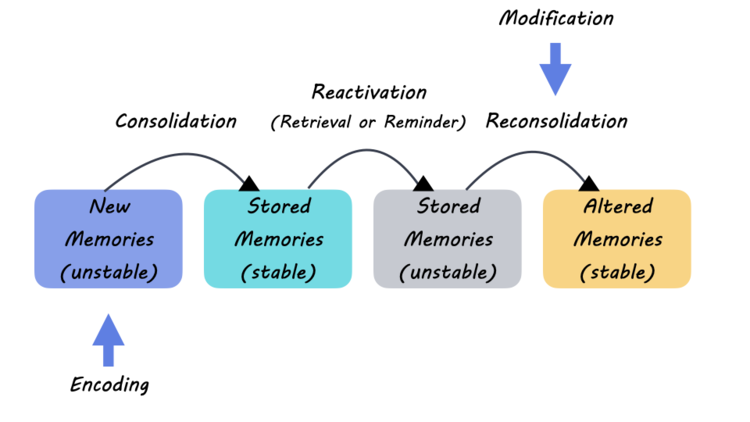
Memory Formation Techniques are at the forefront of research aimed at understanding how we learn and retain information. These techniques, incorporating advancements from neuroscience breakthroughs, delve into the intricate workings of synaptic plasticity and its crucial role in memory creation. By harnessing innovative approaches, researchers can map the connections within our brains, providing fresh insights into disorders such as dementia. This knowledge not only enhances our grasp of memory tracking but also paves the way for developing targeted brain health therapies. As we continue to explore the molecular foundation of memory formation, we unlock the potential for revolutionary treatments that could transform lives.
The science of creating memories is often explored through various methodologies, which can be collectively understood as memory construction strategies. These strategies encompass an array of techniques that facilitate the encoding, storage, and retrieval of experiences, shedding light on the complex dynamics of cognitive processes. Recent studies leverage insights from cutting-edge neuroscience to investigate the mechanisms behind synaptic connectivity, revealing critical information about memory pathways. This burgeoning field holds promise for innovative alternatives in care approaches, particularly for cognitive impairments and neurodegenerative diseases. By deepening our understanding of how memories function, we open doors to enhanced interventions for maintaining brain health.
Understanding Memory Formation Techniques
Memory formation techniques are essential in grasping how our brains encode, store, and retrieve information. Recent advances in neuroscience, such as the use of Extracellular Protein Surface Labeling in Neurons (EPSILON), provide deeper insights into the intricate dance of synapses and their associated proteins. This method allows researchers to visualize the synaptic architecture and offers a lens through which we can observe memory formation at an unprecedented level of detail. By understanding these techniques, we enhance our capacity to develop therapies that target neural pathways, particularly in the context of memory-related disorders like dementia.
The significance of memory formation techniques extends beyond theoretical understanding; they are pivotal in dementia research and the development of effective brain health therapies. By elucidating the mechanisms underpinning synaptic plasticity, researchers can identify potential intervention points for treating memory decline associated with Alzheimer’s disease. Insights gleaned from studies utilizing EPSILON not only advance our knowledge of memory dynamics but also pave the way for new therapeutic strategies aimed at bolstering synaptic function and promoting cognitive resilience.
The Role of Synaptic Plasticity in Memory
Synaptic plasticity refers to the brain’s ability to strengthen or weaken synapses in response to increases or decreases in their activity, which is fundamental for learning and memory. This biological process is intricately linked to how experiences reshape our neural circuits — allowing us to adapt our responses based on past interactions. Tools like EPSILON have shed light on synaptic plasticity by revealing how specific proteins, like AMPARs, contribute to these dynamic changes; with such techniques, researchers can observe real-time alterations in synaptic behavior, providing insights that were once thought unattainable.
Understanding synaptic plasticity also carries profound implications in the field of neuroscience, especially regarding memory disorders. Research into this area highlights how malfunctioning synaptic connections contribute to cognitive decline in conditions such as Alzheimer’s disease. By harnessing advances in microscopy and molecular biology, scientists can identify patterns of synaptic change associated with different types of memories, thus opening avenues for targeted treatment approaches that could restore or enhance synaptic function in affected individuals.
Innovations in the study of synaptic plasticity are not merely academic; they are vital for crafting effective brain health therapies. By pinpointing how synapses adapt over time and identifying crucial moments during memory encoding, researchers can better strategize interventions. For a condition like dementia, which is characterized by significant synaptic loss and dysfunction, understanding these details can guide the development of therapies that might stabilize or even reverse cognitive decline.
This exploration also underlines the primary role of basic research, where foundational discoveries lead to practical medical advancements. The journey from understanding synaptic mechanisms to applying that knowledge in clinical settings emphasizes the importance of sustained funding and support for research initiatives. As more labs implement techniques like EPSILON, the accumulated knowledge could result in groundbreaking treatments that not only address existing memory disorders but also enhance overall cognitive health.
Advancements in Neuroscience Breakthroughs
Recent breakthroughs in neuroscience have revolutionized our understanding of brain function, particularly in the areas of memory formation and the underlying cellular mechanisms. One such advancement is the ability to visualize synaptic interactions with clarity that allows researchers to evaluate changes at the molecular level. Techniques such as EPSILON have set new benchmarks, enabling the deep dive into previously elusive aspects of memory tracking and synaptic plasticity, fostering a new generation of research aimed at unraveling the complexities of human cognition.
These advancements not only enhance our theoretical framework surrounding memory but also equip scientists with the tools necessary to develop innovative therapies. For instance, understanding the precise mechanisms of AMPAR trafficking during memory formation has critical implications for designing interventions for memory-related diseases. With each new discovery, researchers inch closer to therapeutic interventions that could mitigate symptoms of conditions like Alzheimer’s, emphasizing the importance of supporting ongoing research efforts.
The Intersection of Memory Tracking and Dementia Research
Memory tracking plays a crucial role in dementia research, where the understanding of how memories are encoded and retained is essential for developing effective treatment strategies. With techniques like EPSILON, researchers can now track changes in synaptic activity over time, offering insights into the subtle yet persistent synaptic changes that characterize dementia. This real-time monitoring allows for a greater understanding of memory loss mechanisms and paves the way for potential therapeutic interventions to prevent or alleviate cognitive decline.
Furthermore, the intersection of memory tracking and dementia research highlights the necessity of a multifaceted approach to understanding memory disorders. By integrating findings from synaptic studies with cognitive assessments, researchers can form a comprehensive picture of the memory decline process. This synthesis of information is critical for developing personalized therapies that target specific synaptic deficits and emphasizes the ongoing need for innovation in research methodologies to track and improve brain health.
Synaptic Behavior and Its Implications on Brain Health Therapies
The exploration of synaptic behavior unveils critical implications for brain health therapies, especially in the context of aging populations often affected by memory disorders. As researchers uncover the molecular underpinnings of synaptic plasticity, therapies can be designed to specifically target synaptic functions that have been compromised. Understanding how synapses adapt in the presence of new information enables the development of interventions that could support cognitive functions and possibly reverse memory impairments.
In addition, the potential for new brain health therapies rooted in synaptic research necessitates collaboration between neuroscientists, clinicians, and pharmacologists. Developing drugs that enhance synaptic transmission or restore synaptic integrity could transform the landscape of treatment for conditions like Alzheimer’s. The robust mapping of synaptic behaviors, facilitated by advanced techniques, will thus continue to serve as a beacon for future therapeutic advancements.
Exploring the Dynamics of Memory Encoding
Understanding the dynamics of memory encoding is pivotal to neuroscience, as it encompasses the processes that determine how experiences are converted into lasting memories. With the advent of advanced imaging methods, like EPSILON, researchers can now monitor the biochemical events that underlie memory formation in real time. Observing these changes at the synaptic level reveals critical insights into how the brain establishes circuits for recalling experiences. Such information is not only fascinating but crucial for discerning how disruptions in these processes can lead to cognitive disorders.
These dynamics are particularly important in the context of studying different types of memories, as varying patterns of synaptic adaptation may characterize them. Researchers are embarking on investigations that relate the nature of encoding with specific neurophysiological changes, providing an evolving understanding of memory types and their implications on cognition. This perspective enhances our comprehension of how multifaceted memory processes contribute to overall brain health and may guide therapeutic strategies tailored to various cognitive impairments.
The Future of Memory Research
The future of memory research is poised for transformative discoveries, especially through the continued exploration of synaptic mechanisms and techniques such as EPSILON. As scientists harness these advanced methodologies, they are not only uncovering the fundamental principles of learning and memory but also revealing targets for therapeutic interventions. This leap forward would facilitate the application of findings directly to clinical settings, with the aim of enhancing cognitive health in the aging population.
In the coming years, we can expect a surge in interdisciplinary collaborations focused on synthesizing insights from genetics, neurology, and cognitive science. This collaborative approach will further our understanding of memory and its associated disorders, leading to the development of innovative treatments that are more efficient and targeted. The trajectory of research in memory formation techniques points toward a future filled with hope for those affected by memory impairments, offering pathways to improved interventions and expanded therapeutic options.
Significance of Basic Research in Neuroscience Progress
The significance of basic research in neuroscience cannot be overstated, as foundational studies often pave the way for groundbreaking advancements in understanding complex brain functions. The success of techniques such as EPSILON exemplifies how curiosity-driven research leads to unexpected breakthroughs that have profound implications on human health. The lengthy journey from fundamental principles to tangible health benefits underscores the importance of continued investment in scientific exploration.
Basic research in neuroscience serves as the cornerstone for developing innovative solutions to tackle neurological disorders affecting millions. By supporting researchers in their quest for knowledge, we enable the creation of tools and strategies that enhance brain health. Investments in foundational studies not only foster a deeper understanding of memory formation and related processes but also create an environment ripe for generating therapeutic options tailored to various cognitive challenges.
Frequently Asked Questions
What are some innovative memory formation techniques related to dementia research?
Memory formation techniques, particularly in dementia research, have been advanced by methods such as EPSILON (Extracellular Protein Surface Labeling in Neurons). This innovative technique allows scientists to map synaptic plasticity, which is crucial for learning and memory, by tracking protein behavior in neurons at unprecedented resolutions. Such advancements hold potential for developing therapies targeting memory loss associated with dementia.
How does synaptic plasticity relate to memory formation techniques?
Synaptic plasticity is fundamental to memory formation techniques, as it refers to the ability of synapses—connections between neurons—to strengthen or weaken over time based on activity levels. Recent research has utilized sophisticated memory formation techniques to visualize changes in synaptic plasticity, revealing insights into how memories are formed and stored in the brain.
What role do AMPARs play in memory formation techniques?
AMPARs (α-amino-3-hydroxy-5-methyl-4-isoxazolepropionic acid receptors) are essential proteins involved in synaptic plasticity and memory formation. Innovative memory formation techniques, such as those developed by Harvard researchers, use advanced microscopy to track AMPAR movements, enabling scientists to better understand how synapses adapt during memory formation, which could lead to breakthroughs in understanding disorders like dementia.
How have neuroscience breakthroughs impacted our understanding of memory tracking?
Neuroscience breakthroughs, particularly in memory tracking, have transformed our understanding of how learning and memories are formed. Techniques like EPSILON allow researchers to observe synaptic plasticity in real-time, providing insights into the molecular mechanisms underlying memory formation and the potential for developing therapies for cognitive impairments.
What is the significance of advanced memory formation techniques for brain health therapies?
Advanced memory formation techniques provide significant insights into brain health therapies by revealing the intricate synaptic changes associated with learning and memory. Understanding synaptic plasticity through these techniques can lead to the development of targeted interventions for neurological disorders such as dementia, improving cognitive health and longevity.
Can tracking synaptic changes lead to advancements in therapies for memory conditions?
Yes, tracking synaptic changes through innovative memory formation techniques can significantly advance therapies for memory conditions. By mapping synaptic plasticity and understanding which connections strengthen or weaken during memory formation, researchers can design targeted interventions that enhance cognitive function and potentially reverse memory impairments associated with conditions like dementia.
| Key Points | Details |
|---|---|
| Innovative Memory Mapping Technique | A new method called EPSILON has been developed to map the proteins crucial for memory and learning. |
| Role of Synaptic Plasticity | Synaptic plasticity is key for adapting and reorganizing brain connections for memory formation. |
| Fluorescent Labeling and Microscopy | Advanced microscopy with fluorescent labeling allows unprecedented observation of synaptic behavior. |
| Importance of AMPARs | AMPARs are essential for synaptic transmission and play a significant role in memory formation. |
| Implications for Neurological Disorders | Insights from this research could lead to new therapies for conditions like dementia and Alzheimer’s disease. |
| Future Research Potential | EPSILON can be further applied to study various cognitive phenomena related to memory and learning. |
Summary
Memory Formation Techniques, like the newly developed EPSILON method, open doors to understanding how memories are created and maintained at a molecular level. This groundbreaking research by Harvard scientists emphasizes the critical role of synaptic plasticity in learning and memory. By using advanced microscopy and fluorescent labeling, researchers can observe the behavior of essential proteins such as AMPARs, providing deeper insights into the mechanisms behind memory formation. The implications of this research not only promise advancements in treating neurological disorders such as dementia but also pave the way for exploring broader cognitive phenomena. Such techniques could redefine our understanding of memory, enabling targeted therapeutic strategies to improve cognitive health.